Beginner guide
How to start a garden: a plain guide for beginners
A first garden does not need to be big or expensive. Start small, put it where the sun is, build good soil, and grow a handful of easy plants you like to eat or look at. This guide walks you through each step in order.
Updated 26 Oct 2026 · Facts checked against the sources at the end.
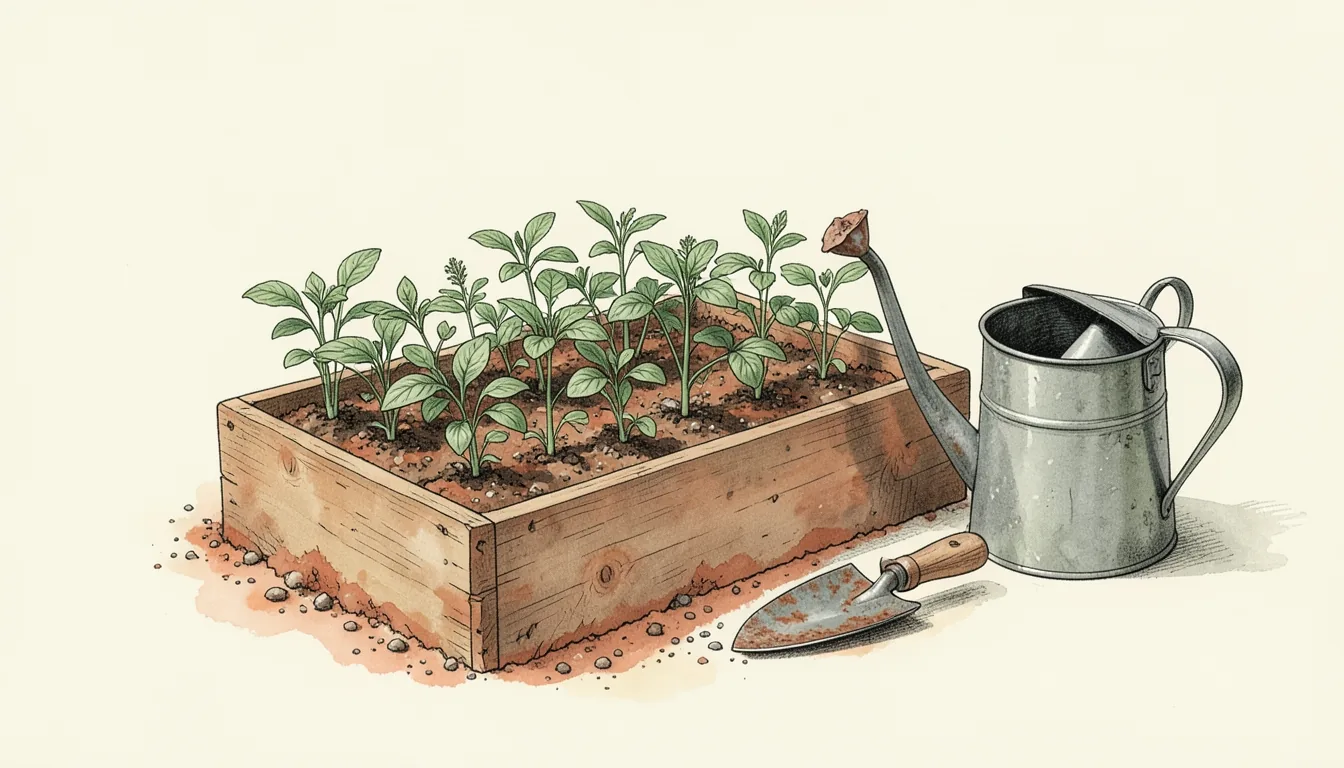
1. Pick the sunniest spot you have
Most vegetables, herbs and flowers need full sun: at least 6 hours of direct sun a day. Watch your yard for a day and note where the sun falls in the morning, at midday and in the afternoon. A spot near a water tap saves a lot of hose dragging later.
If your yard is shady, you still have options: lettuce, peas and many herbs cope with part shade, and plants like hosta and begonia prefer it. No yard at all? A sunny balcony with pots works well for tomatoes, peppers and basil.
2. Start small
A bed of about 4 by 8 feet, or three or four large pots, is enough for a first season. A small garden is easier to water and weed, and you learn more from a few plants you look after well than from a big plot that gets away from you.
Raised beds help if your soil is heavy clay, rocky or poorly drained. They warm up faster in spring and you can fill them with good soil from the start.
3. Test and improve the soil
Good soil is the base of everything. A soil test tells you the pH and which nutrients are missing, so you only add what the soil needs. Your county extension office can tell you how to send a sample; home kits are less exact.
- Clear grass and weeds from the bed.
- Loosen the soil 6 to 8 inches deep, but never dig or till when the soil is wet.
- Mix in compost. Oregon State University Extension suggests a 3 to 4 inch layer of compost for a new bed, and a thinner top-up each year after that.
Read more in our organic gardening basics guide.
4. Know your zone and your frost date
Two facts decide what you can grow and when to plant:
- Your USDA hardiness zone tells you which perennials, shrubs and trees survive your winters. See understanding USDA hardiness zones.
- Your average last spring frost date sets your planting calendar. Cool-season crops like peas and lettuce go in a few weeks before it; warm-season crops like tomatoes and beans go in after it.
Our planting calendar tool turns your last frost date into sowing and planting dates for the plants on this site.
5. Choose easy plants
Good first choices are forgiving and quick to reward you:
- Vegetables: lettuce, bush beans, zucchini, cherry tomatoes.
- Herbs: basil, mint (in a pot), thyme.
- Flowers: zinnias, marigolds, sunflowers.
Use the plant finder to filter by sun, water, zone and pet safety.
6. Plant at the right time and depth
Seeds go in at the depth on the packet; a common rule is no deeper than about four times the seed's width. Transplants go in at the depth they grew in their pots (tomatoes are the exception: bury the stem deeper). Water well right after planting.
Plants raised indoors need hardening off first: about a week of gradually longer time outdoors so they get used to sun and wind. See how to start seeds indoors.
7. Water deeply, then mulch
Most vegetable gardens need about 1 inch of water a week, from rain plus watering. Water deeply and less often rather than a little every day, so roots grow down. Water the soil, not the leaves, ideally in the morning.
A layer of mulch (straw, shredded leaves or wood chips around shrubs) keeps soil moist, cool and weed-free. Our watering and hoses section covers soaker hoses, timing and how long to water.
8. Keep an eye out every few days
A short walk through the garden every few days catches problems early: a pest on the underside of a leaf, a plant that needs staking, a dry pot. Pull weeds while they are small and pick crops often; many plants produce more when you harvest regularly.
Frequently asked questions
What is the easiest garden to start?
A small raised bed or a few large pots in full sun, planted with easy crops such as lettuce, bush beans, zucchini, cherry tomatoes, basil and zinnias.
When should I start a garden?
Prepare the bed in early spring or the fall before. Plant cool-season crops a few weeks before your last spring frost, and warm-season crops after it.
How much sun does a vegetable garden need?
Most vegetables need full sun, which means 6 or more hours of direct sun a day. Leafy greens can manage with a little less.
Do I need to test my soil?
It is the best way to know what your soil needs. A soil test shows pH and nutrient levels so you do not add fertilizer or lime you do not need.
Sources
- Oregon State University Extension: How do I test my garden soil?
- Oregon State University Extension: How to use compost in gardens and landscapes
- Colorado State University Extension: Vegetable Planting Guide
- Colorado State University Extension: Growing Annual Plants from Seed
- NC State Extension Gardener Handbook: Vegetable Gardening
- University of Illinois Extension: Watering all season long
- Penn State Extension: Practical Tips for Healthy Soil in a Home Garden
Written in our own words from the sources above. See our editorial policy. Spotted a mistake? Tell us.