Plants, flowers, seeds and care
Grow it well, from seed to bloom
Clear care guides for 50 popular plants, with real photos, checked facts and pet safety from the ASPCA. Start with a search.
- Sow
- Root
- Grow
- Bloom
Plant of the day
Meet today's plant
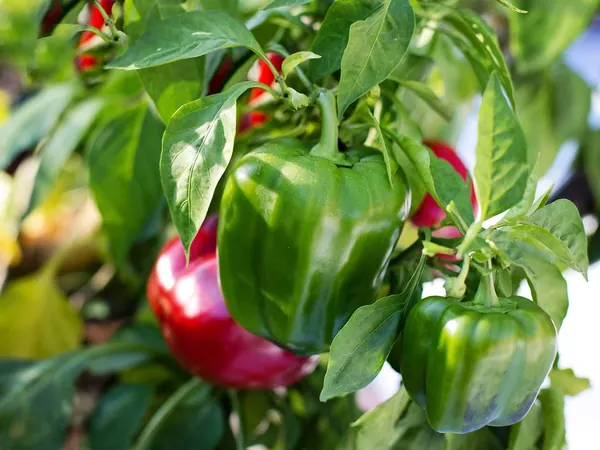
Pepper
Capsicum annuum
Peppers, from sweet bells to hot chiles, are warm-season crops that need a long, hot summer.
- Full sun
- Medium water
- Not on ASPCA lists
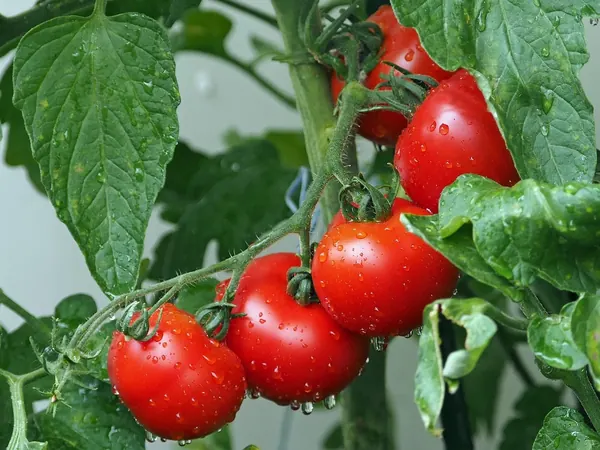 TomatoSolanum lycopersicum
- Vegetable
- Full sun
- Toxic to pets
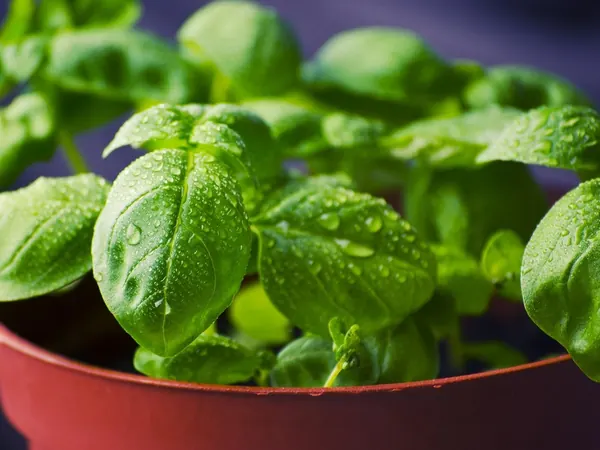 BasilOcimum basilicum
- Herb
- Full sun to Part shade
- Pet-safe
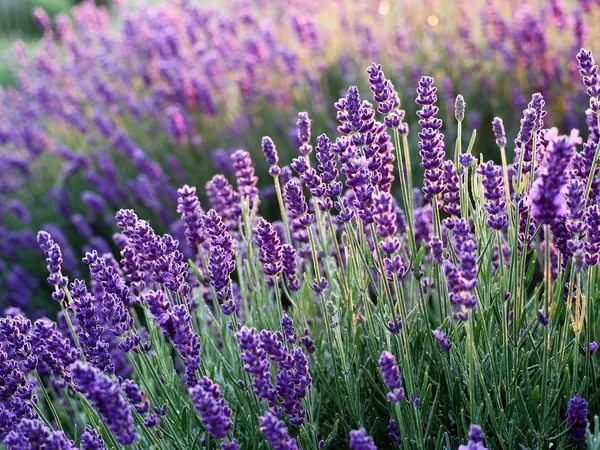 LavenderLavandula angustifolia
- Herb
- Full sun
- Toxic to pets
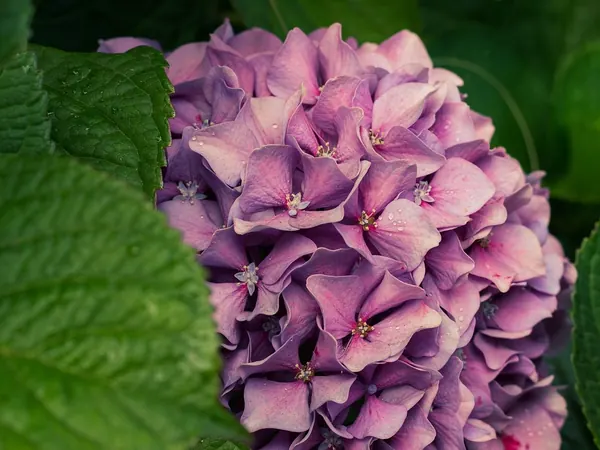 HydrangeaHydrangea macrophylla
- Shrub
- Part shade to Shade
- Toxic to pets
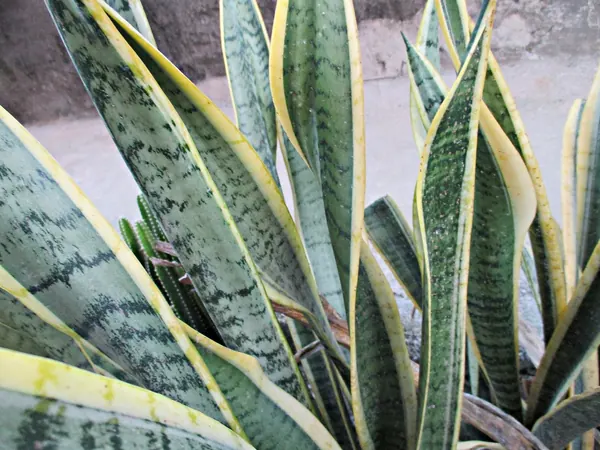 Snake PlantDracaena trifasciata
- Houseplant
- Part shade to Shade
- Toxic to pets
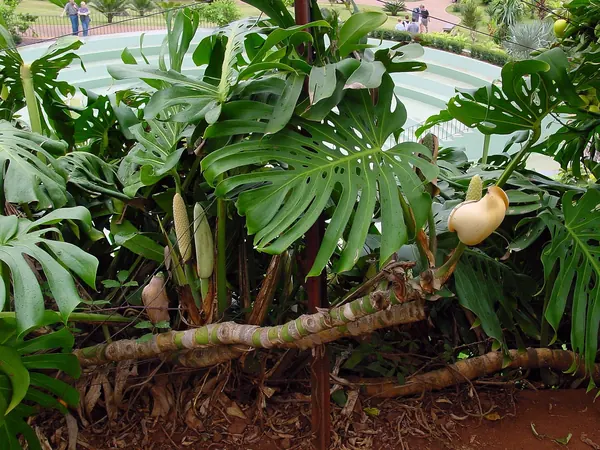 MonsteraMonstera deliciosa
- Houseplant
- Part shade
- Toxic to pets
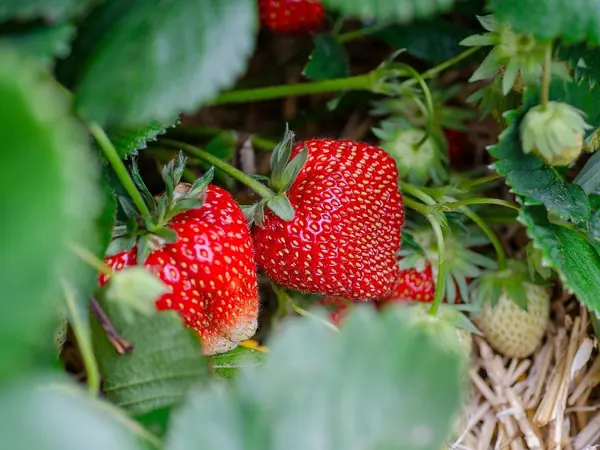 StrawberryFragaria × ananassa
- Fruit
- Full sun
- Pet-safe
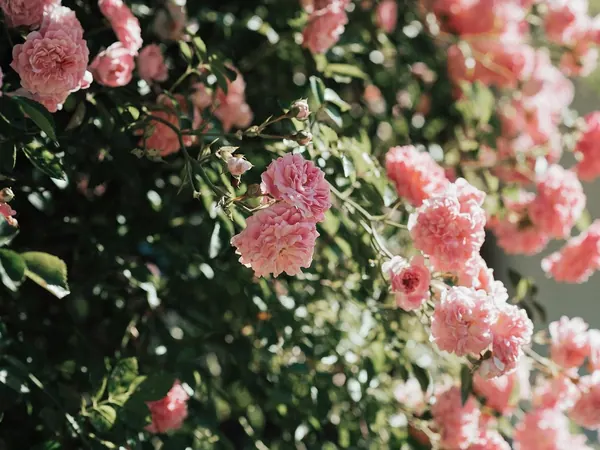 RoseRosa hybrids
- Shrub
- Full sun
- Pet-safe
Beginner guides
Start here
Five plain guides that cover the first season.
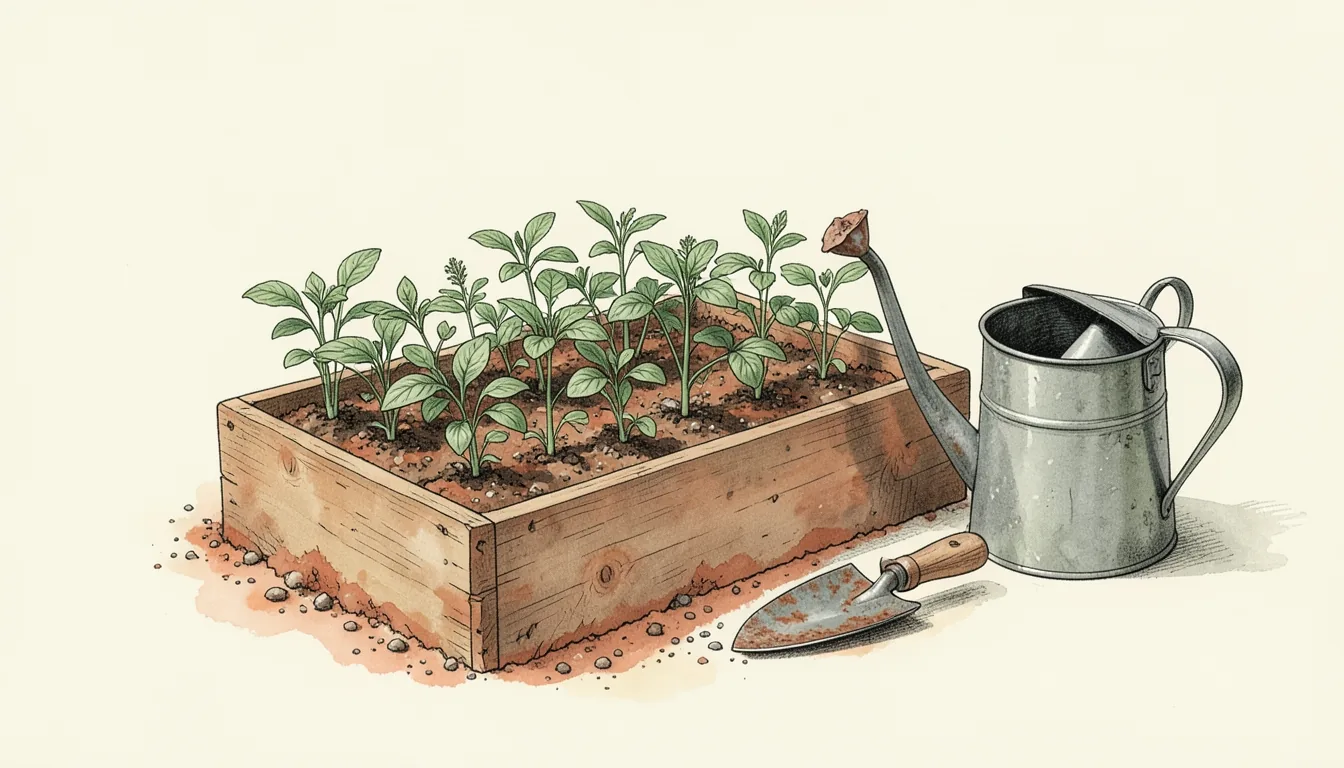 Start a gardenStart your first garden step by step: pick a sunny spot, test and improve the soil, choose easy plants, plant…
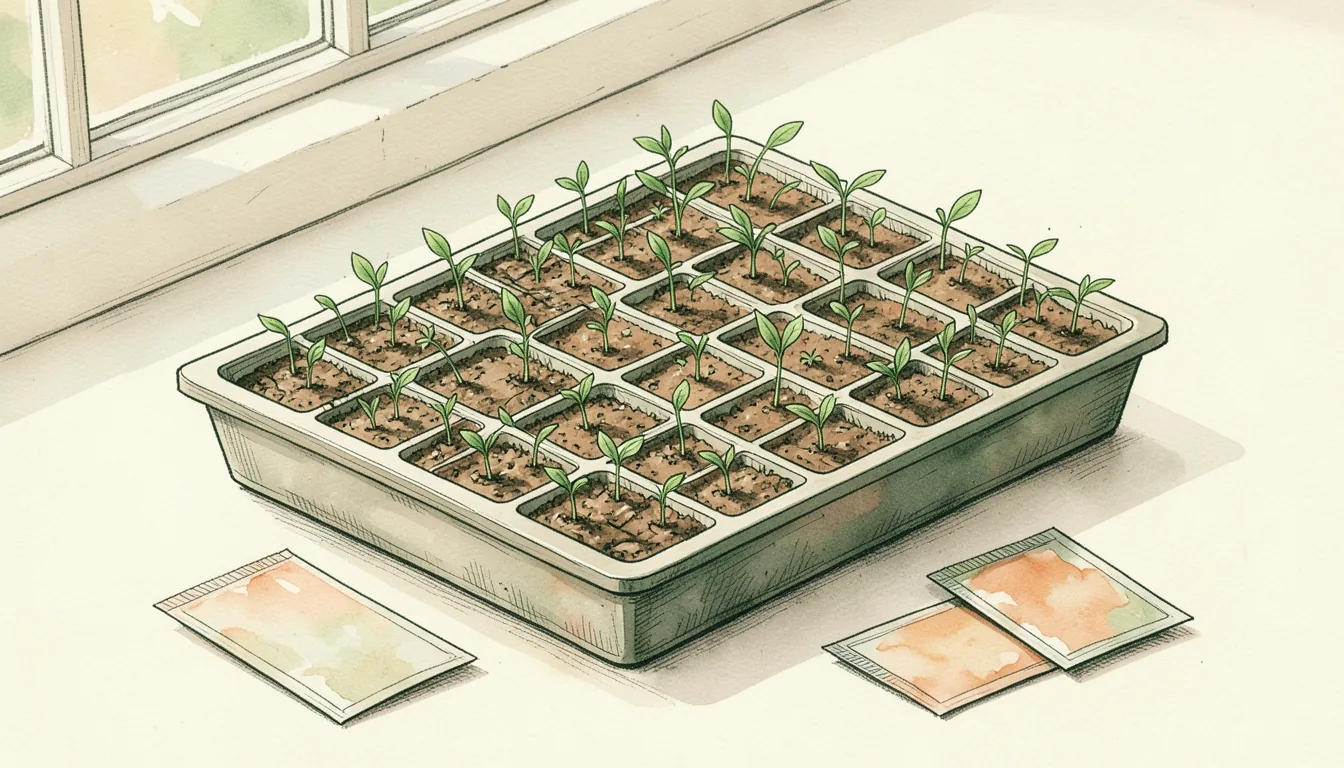 Start seeds indoorsStart vegetable and flower seeds indoors: when to sow, the right mix, light and warmth, potting up and…
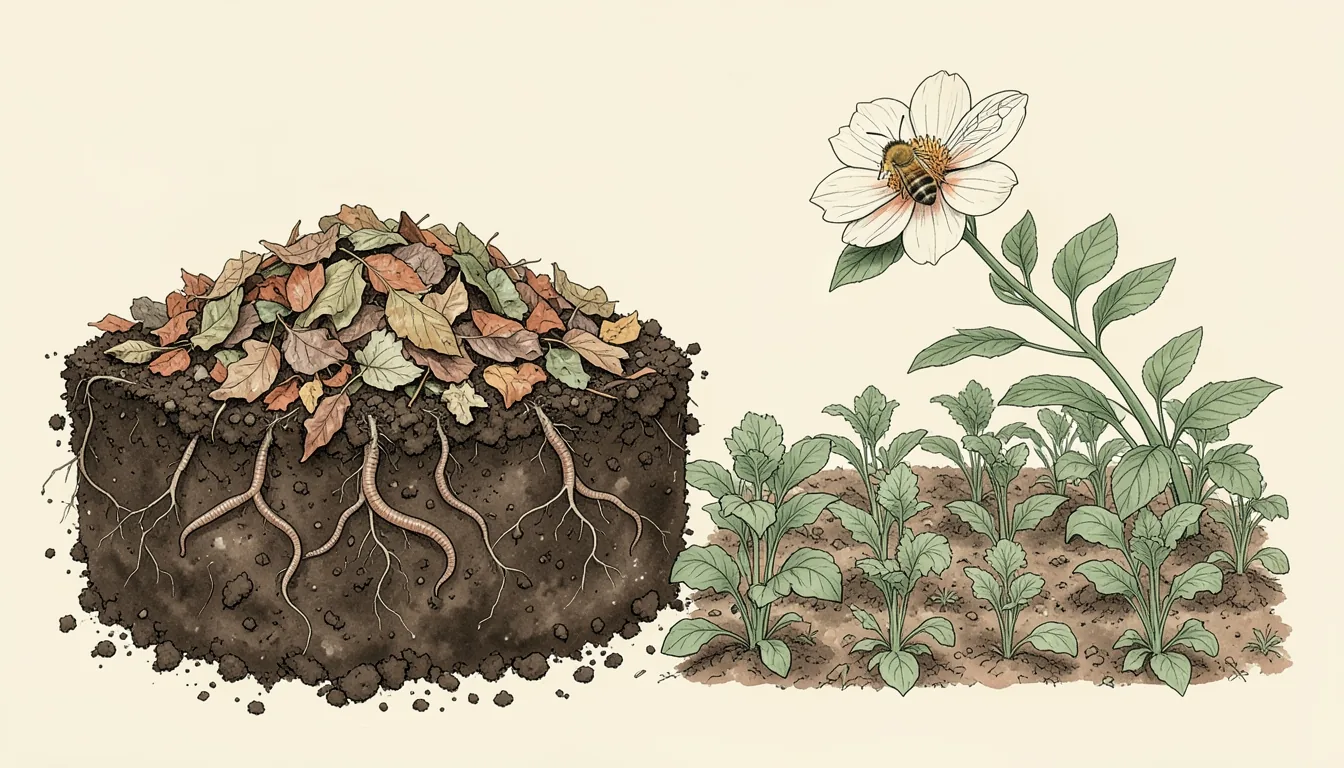 Organic gardening basicsOrganic gardening at home: build living soil with compost, test before you feed, mulch, rotate crops,…
 USDA hardiness zonesWhat USDA hardiness zones mean, how the 2023 map works (10°F zones, 5°F half zones), how to find yours and…
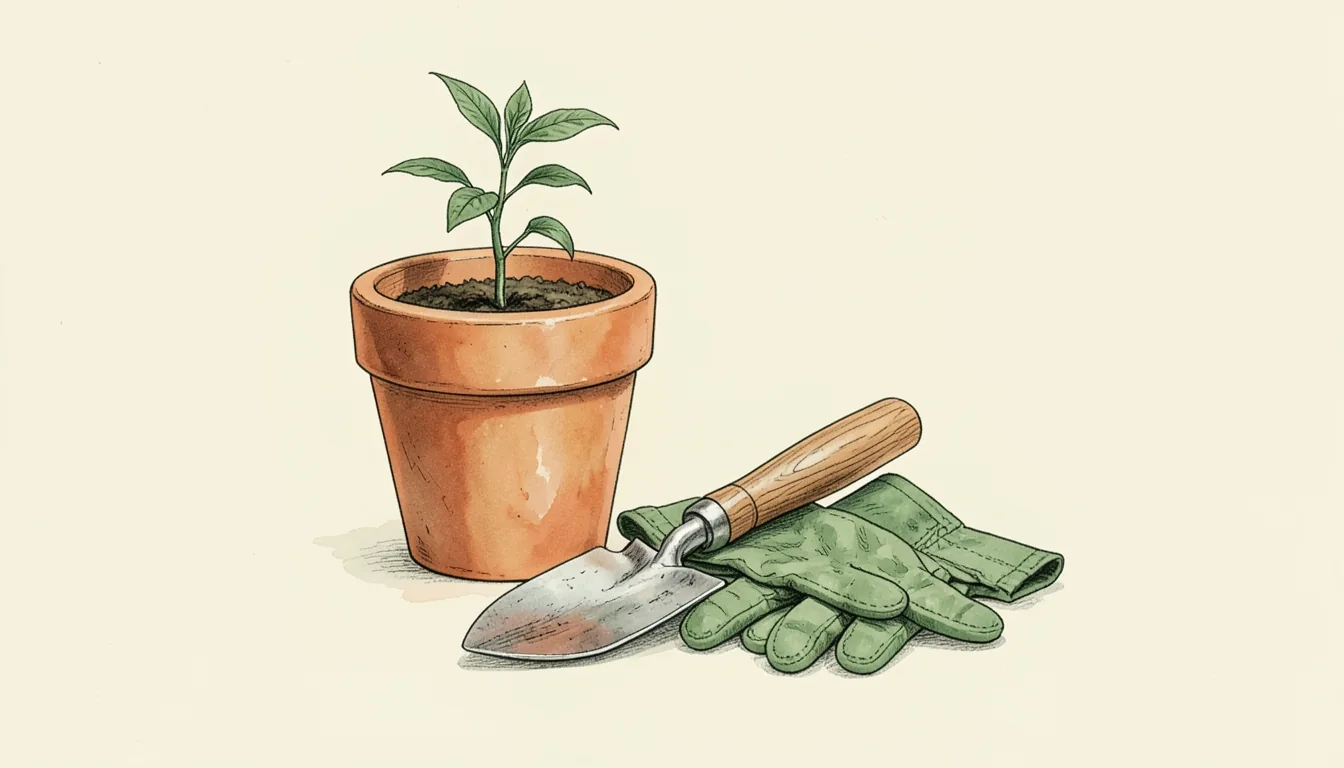 Essential garden toolsThe few garden tools a beginner really needs: trowel, spade, hoe, rake, pruners, hose and watering can, plus…
Watering and hoses
Water smarter
Hose sizes, threads, soaker hoses and how long to water.
- Hose thread sizeUS garden hoses use a 3/4 inch garden hose thread (GHT) with 11.5 threads per inch and…
- GHT vs NPTGHT (garden hose thread) and NPT (pipe thread) look alike at 3/4 inch but differ in…
- Standard hose sizeGarden hoses come in 1/2, 5/8 and 3/4 inch inside diameters and 25 to 100 foot lengths,…
- Measure hose diameterMeasure the inside diameter of a garden hose in a minute with a ruler or tape: what to…
- 5/8 vs 1/2 inch hose5/8 inch hoses carry more water over longer runs; 1/2 inch hoses are lighter and easier…
- 3/4 vs 5/8 inch hoseA 3/4 inch hose carries the most water but is heavy; a 5/8 inch hose suits most homes.…
- Heavy vs medium duty hose'Heavy-duty' and 'medium-duty' are maker labels, not a standard. Compare what matters:…
- Hose bib vs spigotHose bib, spigot, sillcock and outdoor faucet often mean the same thing. What each word…
Tools
Your zone and your planting dates
Pick your USDA zone to see what survives your winters, or enter your last frost date to get sowing dates.
Open the zone and calendar tool
Questions about gardenbloggers
Where do your plant facts come from?
From university extension services (mainly the NC State Extension Gardener Plant Toolbox), the USDA PLANTS Database and the ASPCA's toxic and non-toxic plant lists. Every plant page links its sources.
Which plants are safe for cats and dogs?
Use the pet-safe filter in our plant finder. We mark a plant pet-safe only when the ASPCA lists it as non-toxic to both cats and dogs, for example spider plant, basil, rosemary and Phalaenopsis orchids.
How do I know what to plant and when?
Find your USDA hardiness zone and your average last spring frost date, then use our zone tool and planting calendar to see which plants suit your area and when to sow them.
Are the photos real?
Yes. Every plant photo is a real photograph under a Public Domain, CC0, Pixabay or Pexels licence, checked to show the right plant. Our decorative drawings are labelled AI illustrations.