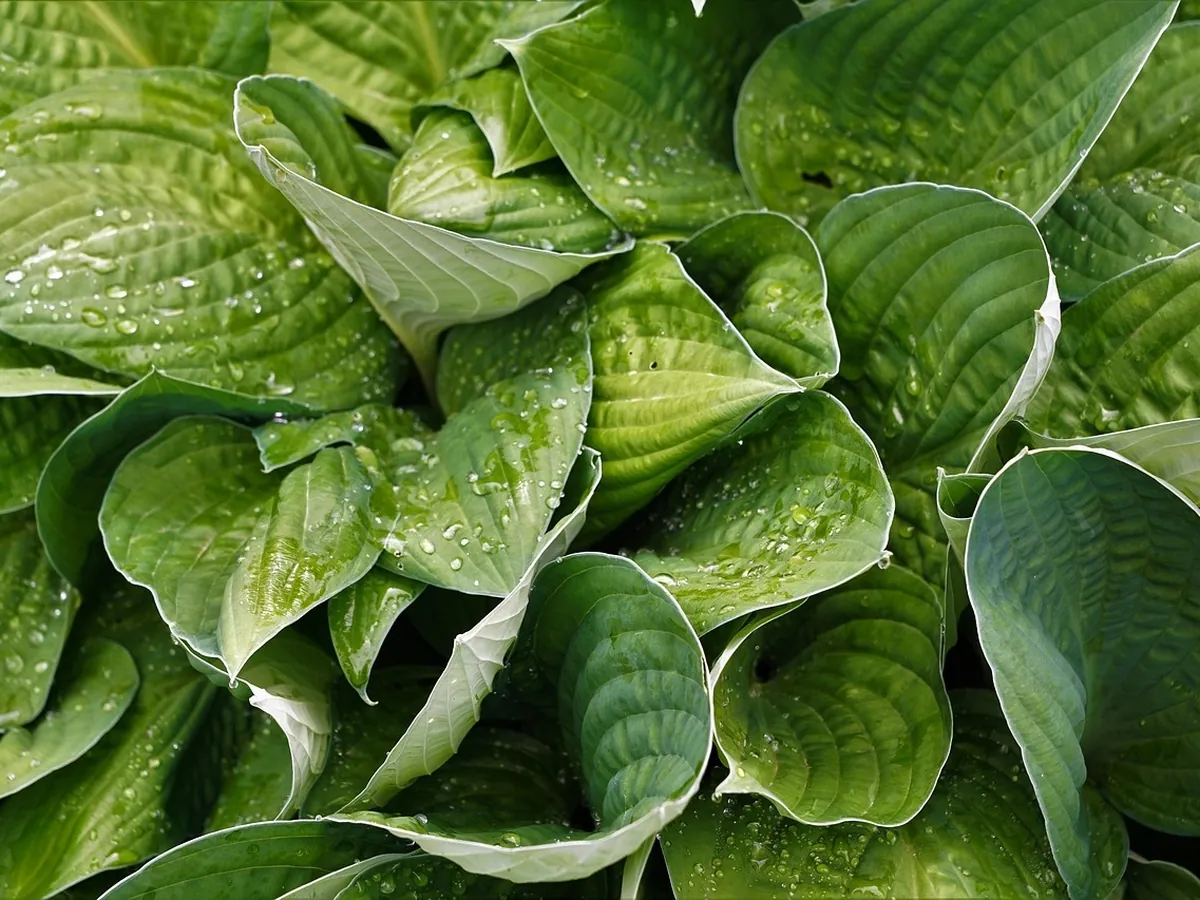
Hosta at a glance
| Botanical name | Hosta species and hybrids |
|---|---|
| Family | Asparagaceae |
| Other names | plantain lily, funkia |
| Plant type | Flower; herbaceous perennial |
| Size | 4 inches to 2.5 feet tall, 6 inches to 3 feet wide |
| Light | Part shade (2 to 6 hours of sun); Shade (under 2 hours of direct sun) |
| Water | Keep soil evenly moist, especially in the first year and in summer heat. |
| Soil | Moist, well-drained soil rich in organic matter. |
| USDA hardiness zones | Hardy in zones 3 to 9. |
| USDA PLANTS symbol | HOSTA |
When to plant hosta
Plant or divide in spring or early fall.
Turn these into real dates for your area with the planting calendar.
How to grow hosta
- Plant in shade or morning sun with afternoon shade.
- Mix compost into the soil and keep the crown at soil level.
- Mulch to hold moisture.
- Water during dry spells.
- Divide large clumps in spring as new shoots appear.
Water and soil
Water: Keep soil evenly moist, especially in the first year and in summer heat.
Soil: Moist, well-drained soil rich in organic matter.
Light: Part shade (2 to 6 hours of sun); Shade (under 2 hours of direct sun).
Common problems
- Slugs and snails
- Holes in leaves with slime trails. Hand-pick in the evening and clear hiding places.
- Deer browsing
- Deer often eat hostas. Fencing is the most reliable fix.
- Scorched leaves
- Too much afternoon sun. Move to more shade.
Is hosta safe for cats and dogs?
Toxic
Toxic
The ASPCA lists Hosta (Hosta plataginea) as toxic to cats and toxic to dogs. Signs it lists include: vomiting, diarrhea, depression. ASPCA entry.
If a pet chews a plant and you are worried, call your vet or the ASPCA Animal Poison Control Center (888-426-4435; a fee may apply). For people, call Poison Help at 1-800-222-1222. In an emergency, call 911.
Can you eat hosta?
Grown as an ornamental here. NC State notes some species are cooked as food in Korea and Japan.
Hosta questions
Are hostas poisonous to dogs and cats?
Yes. The ASPCA lists hosta as toxic to cats and dogs; it can cause vomiting and diarrhea.
Can hostas grow in full sun?
Most prefer shade. Some varieties handle more sun with steady water, but afternoon sun often scorches the leaves.
When should I divide hostas?
In spring as the shoots emerge, or in early fall. Water the divisions well.
Sources
- NC State Extension Gardener Plant Toolbox: Hosta (size, light, soil, zones, poison rating)
- USDA PLANTS Database profile: Hosta Tratt. (accepted name)
- ASPCA: Hosta (pet toxicity)
- ASPCA Animal Poison Control: plants toxic and non-toxic to cats
- ASPCA Animal Poison Control: plants toxic and non-toxic to dogs
Written in our own words from the sources above. See our editorial policy. Spotted a mistake? Tell us.