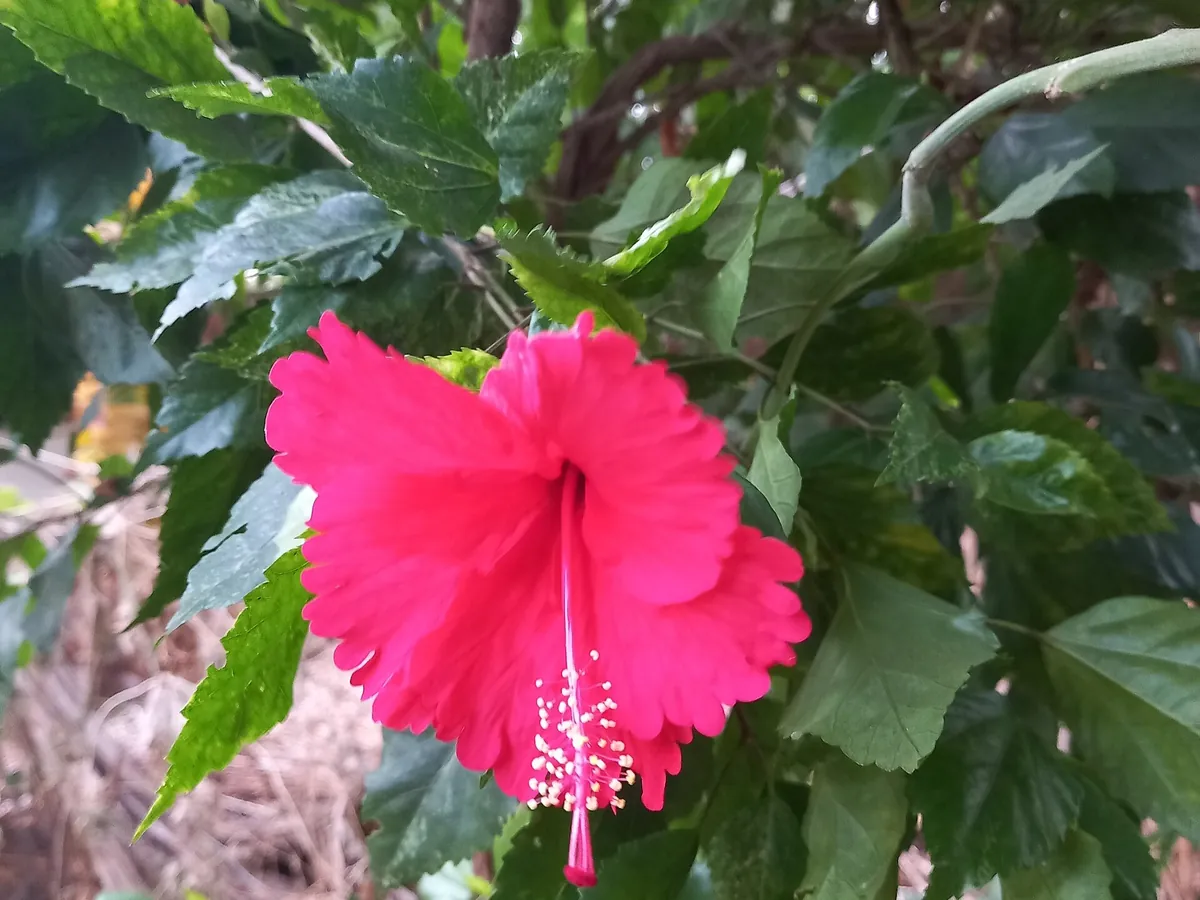
Hibiscus at a glance
| Botanical name | Hibiscus rosa-sinensis |
|---|---|
| Family | Malvaceae |
| Other names | tropical hibiscus, Chinese hibiscus |
| Plant type | Shrub; evergreen tropical shrub |
| Size | 4 to 10 feet tall, 5 to 8 feet wide in the ground; smaller in pots |
| Light | Full sun (6 or more hours of direct sun); Part shade (2 to 6 hours of sun) |
| Water | Keep the soil evenly moist in summer; pots may need daily water in heat. |
| Soil | Moist, well-drained, fertile soil. |
| USDA hardiness zones | Outdoors year-round in zones 9 to 11; elsewhere grow in a pot and bring it in before frost. |
| USDA PLANTS symbol | HIRO3 |
When to plant hibiscus
Move or plant outdoors after nights stay warm in late spring.
Turn these into real dates for your area with the planting calendar.
How to grow hibiscus
- Grow in full sun to light shade.
- Use a large pot with drainage holes in cold zones.
- Water often in summer; do not let pots dry out completely.
- Feed regularly during the growing season.
- Bring pots indoors to a bright window before frost.
Water and soil
Water: Keep the soil evenly moist in summer; pots may need daily water in heat.
Soil: Moist, well-drained, fertile soil.
Light: Full sun (6 or more hours of direct sun); Part shade (2 to 6 hours of sun).
Common problems
- Yellow leaves
- Common with too little or too much water, or after moving indoors.
- Aphids and whiteflies
- Check new growth and leaf undersides; rinse with water.
Is hibiscus safe for cats and dogs?
Not listed
Not listed
Hibiscus is not on the ASPCA's toxic or non-toxic plant lists for cats and dogs.
The ASPCA's non-toxic hibiscus entry names Hibiscus syriacus (rose of Sharon), a different species from tropical hibiscus.
If a pet chews a plant and you are worried, call your vet or the ASPCA Animal Poison Control Center (888-426-4435; a fee may apply). For people, call Poison Help at 1-800-222-1222. In an emergency, call 911.
Can you eat hibiscus?
NC State lists the flowers as edible.
Hibiscus questions
Is hibiscus toxic to dogs and cats?
The ASPCA's lists include hibiscus as non-toxic, but the plant they name is Hibiscus syriacus (rose of Sharon), not tropical hibiscus. Ask your vet if your pet chews a tropical hibiscus.
Can hibiscus stay outside in winter?
Tropical hibiscus only survives winter outdoors in zones 9 to 11. In colder areas, bring it inside before frost.
How long does a hibiscus flower last?
Each flower usually lasts about a day, but a healthy plant keeps opening new ones through the warm season.
Sources
- NC State Extension Gardener Plant Toolbox: Hibiscus rosa-sinensis (size, light, soil, zones, poison rating)
- USDA PLANTS Database profile: Hibiscus rosa-sinensis L. (accepted name)
- ASPCA Animal Poison Control: plants toxic and non-toxic to cats
- ASPCA Animal Poison Control: plants toxic and non-toxic to dogs
Written in our own words from the sources above. See our editorial policy. Spotted a mistake? Tell us.