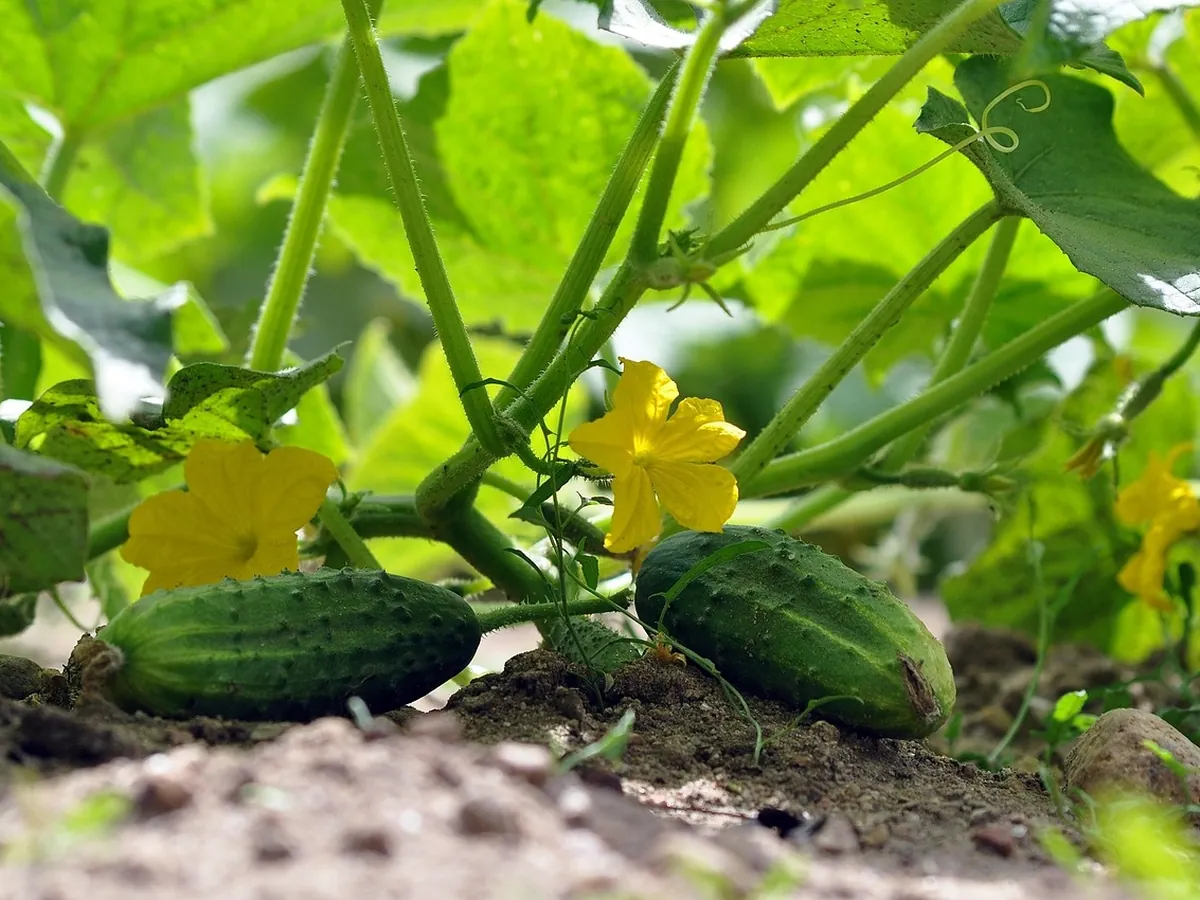
Cucumber at a glance
| Botanical name | Cucumis sativus |
|---|---|
| Family | Cucurbitaceae |
| Other names | slicing cucumber, pickling cucumber |
| Plant type | Vegetable; annual vine |
| Size | Vines run 3 to 8 feet; bush types stay compact |
| Light | Full sun (6 or more hours of direct sun) |
| Water | Keep the soil evenly moist. Dry spells make fruit bitter or misshapen. |
| Soil | Fertile, well-drained soil rich in compost. |
| USDA hardiness zones | Grown as a summer annual in every zone. |
| USDA PLANTS symbol | CUSA4 |
When to plant cucumber
Sow seeds outdoors around your last frost date once the soil is warm. Wait until frost risk is over for transplants.
Turn these into real dates for your area with the planting calendar.
How to grow cucumber
- Sow seeds directly in warm soil, or start them indoors 3 to 5 weeks before planting out.
- Set up a trellis before the vines start to run.
- Water deeply and mulch to keep moisture even.
- Pick fruit young and often; overripe fruit slows the plant.
- Check daily in peak season, as cucumbers grow fast.
Water and soil
Water: Keep the soil evenly moist. Dry spells make fruit bitter or misshapen.
Soil: Fertile, well-drained soil rich in compost.
Light: Full sun (6 or more hours of direct sun).
Common problems
- Cucumber beetles
- Striped or spotted beetles chew leaves and can spread disease. Row covers protect young plants; remove covers when flowers open so bees can visit.
- Powdery mildew
- White powder on leaves in late summer. Choose resistant varieties.
- Bitter fruit
- Usually from heat or drought stress. Water evenly.
Is cucumber safe for cats and dogs?
Non-toxic
Non-toxic
The ASPCA lists Cucumber (Cucumis sativus) as non-toxic to cats and non-toxic to dogs. ASPCA entry.
If a pet chews a plant and you are worried, call your vet or the ASPCA Animal Poison Control Center (888-426-4435; a fee may apply). For people, call Poison Help at 1-800-222-1222. In an emergency, call 911.
Can you eat cucumber?
The fruit is eaten fresh or pickled.
Cucumber questions
Are cucumbers safe for dogs and cats?
The ASPCA lists cucumber as non-toxic to cats and dogs.
How often should I water cucumbers?
Keep the soil evenly moist; in hot weather that can mean watering deeply two or three times a week. Mulch helps.
Why are my cucumber flowers not making fruit?
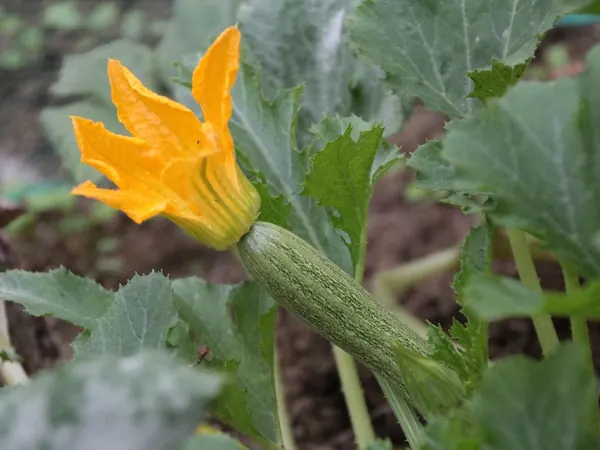
The first flowers are often male and drop off. Female flowers, with a tiny cucumber behind the bloom, follow. Bees are needed to pollinate most varieties.
Sources
- NC State Extension Gardener Plant Toolbox: Cucumis sativus (size, light, soil, zones, poison rating)
- USDA PLANTS Database profile: Cucumis sativus L. (accepted name)
- ASPCA: Cucumber (pet toxicity)
- ASPCA Animal Poison Control: plants toxic and non-toxic to cats
- ASPCA Animal Poison Control: plants toxic and non-toxic to dogs
- University of Maryland Extension: Starting Vegetable Seeds Indoors
- Colorado State University Extension: Vegetable Planting Guide
Written in our own words from the sources above. See our editorial policy. Spotted a mistake? Tell us.